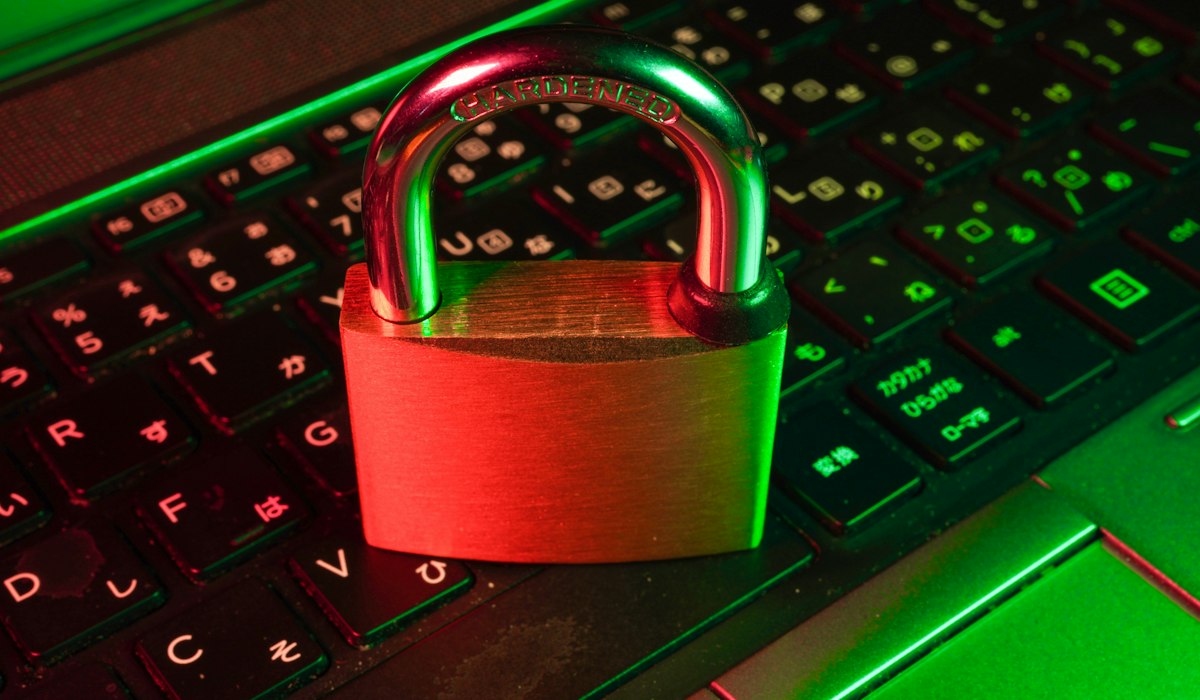
You've seen the little padlock icon next to a website's address. Most shop owners know it's 'good to have' but couldn't explain why. Here's the plain-language version.
What SSL actually does
SSL encrypts the connection between your visitor's browser and your website's server. Without it, any information a customer types — their name, phone number, even payment details — travels in a form that could theoretically be intercepted. With SSL, that data is scrambled in transit, readable only by your server.
Why it matters even without a payment form
Even if your shop only takes orders via Zalo and doesn't process payments on-site, SSL still matters for two practical reasons:
- Browsers actively warn visitors with a 'Not Secure' label on any site without SSL — this scares away potential customers before they even read your content
- Google uses SSL as a ranking factor — a site without it is at a disadvantage in search results compared to one with it
SSL isn't optional anymore — it's the baseline expectation for any website in 2026, the same way a shop is expected to have a lock on its front door.
The good news: every website ShpLinks builds includes SSL by default, free of charge, and set up correctly from day one — no extra step required on your end.