Most people deciding where to eat check a restaurant's website or Google listing for one of three things: what's on the menu, where exactly it is, and whether it's open right now. Get these three right and you've covered 90% of what visitors actually need.
A menu that's actually easy to read
A PDF menu that requires downloading and zooming is a common frustration. A menu built directly into the website — readable on a phone with no download — removes friction at the exact moment someone is deciding whether to visit.
Location and hours, front and center
An embedded map with a 'Get Directions' button and clearly stated opening hours (including holiday exceptions) should be visible without scrolling. This is the single most-searched piece of information for any food business.
Real photos of food and space
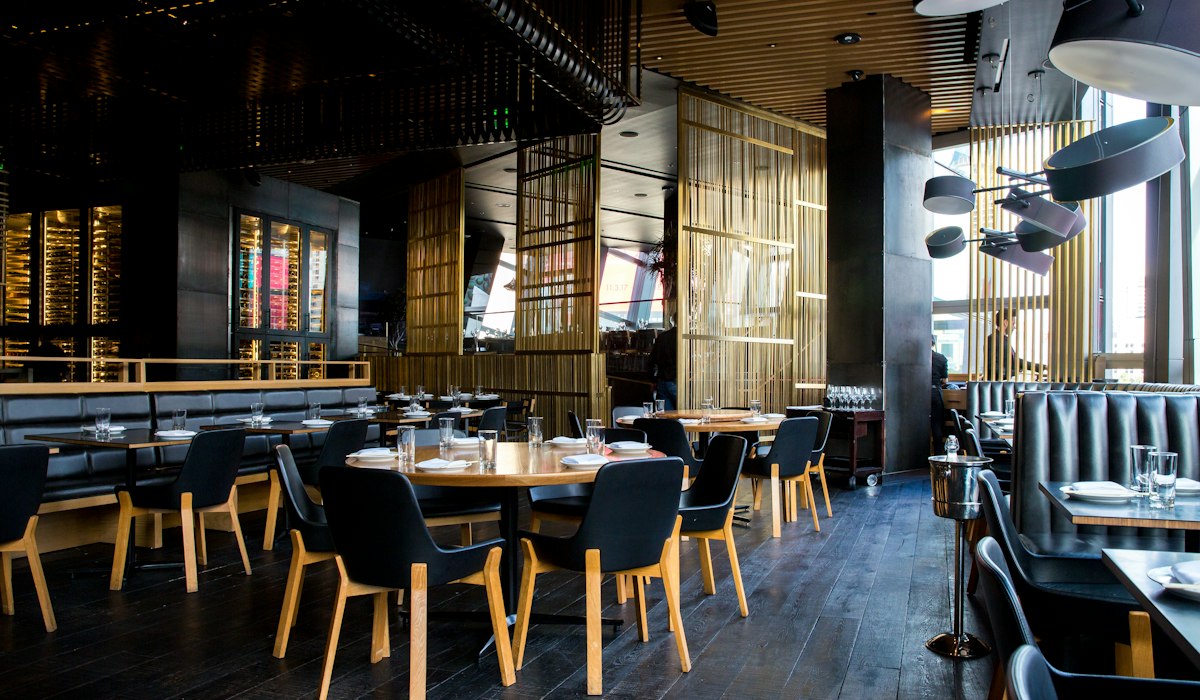
Food photography sells atmosphere as much as it sells dishes. Photos of the actual space (not just the food) help customers picture themselves there — especially important for groups deciding where to celebrate an occasion.
A simple way to book or reserve
Not every restaurant needs a complex reservation system — for many, a Zalo button that opens a chat is enough. The key is making that path obvious, not buried three clicks deep in the navigation.
A restaurant website's job is to answer 'what, where, when' in under 10 seconds — everything else is a bonus.